
Triethyl Citrate is a versatile citrate ester supplied as a clear, colourless to light yellow liquid for use across industrial manufacturing, personal care, pharmaceutical, food, and polymer applications. Valued for its plasticising performance, low toxicity profile, and compatibility with a wide range of formulations, it is commonly used where stability, flexibility, and reliable consistency are important. It is widely used in coatings, plastics, cosmetics, fragrances, pharmaceutical formulations, food additives, and specialist industrial processes requiring dependable purity and formulation performance. At East Harbour Group, we supply high-quality Triethyl Citrate through a resilient international network designed to reduce sourcing risk, strengthen continuity, and support reliable global delivery.
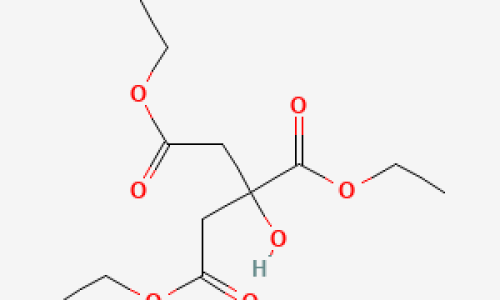
| CAS Number: | 77-93-0 |
| UN Number: | N/A |
| Hazard Class: | N/A |
| Packing Group: | N/A |

What is the CAS Number of Triethyl Citrate?
The CAS number of Triethyl Citrate is 77-93-0.
What is the UN Number of Triethyl Citrate?
Triethyl Citrate is not regulated as a dangerous good.
What is the Hazard Class of Triethyl Citrate?
Triethyl Citrate is not classified as hazardous for transport.
What is the Packing Group of Triethyl Citrate?
The Packing Group of Triethyl Citrate is not applicable.
Safety Information
For comprehensive safety guidance on Triethyl Citrate, please refer to the Material Safety Data Sheet (MSDS) linked below. It includes important information on handling procedures, ventilation requirements, spill response, storage guidance, and personal protective equipment.
Triethyl Citrate is not classified as a hazardous substance under current regulations, though good industrial hygiene and safe handling procedures should always be followed during storage and use.

FAQs
Triethyl Citrate is widely used as a plasticiser and formulation additive across multiple industries where flexibility, stability, and low toxicity are important. It is commonly used in polymer compounds, coatings, food additives, cosmetics, fragrances, personal care products, pharmaceutical formulations, and specialist industrial applications. Due to its compatibility with a broad range of systems and its favourable handling profile, Triethyl Citrate is also used in paints, construction materials, and agricultural applications where reliable formulation performance is required.
The price of Triethyl Citrate depends on factors such as purity specification, order volume, packaging format, destination market, and shipping requirements. At East Harbour Group, we provide tailored quotes based on your exact operational requirements, ensuring competitive pricing while maintaining dependable supply and efficient logistics.
Contact our team to receive a personalised Triethyl Citrate pricing quote.
Yes, we provide reliable Triethyl Citrate shipping worldwide. With established logistics routes across Europe, Asia, and international markets, we help customers secure dependable supply for industrial manufacturing, formulation, and laboratory applications.
Our UK and India offices strengthen supply chain resilience, reduce delays, and allow us to offer flexible global shipping solutions tailored to your operational requirements.
Triethyl Citrate is not classified as hazardous under Regulation (EC) No. 1272/2008, though standard industrial handling precautions should still be followed. Key safety considerations include:
Low hazard classification
Triethyl Citrate is not classified as hazardous for transport or workplace use under current regulations.Eye contact
Direct contact may cause irritation in sensitive individuals. Safety glasses are recommended during handling operations.Inhalation of vapour or mist
Avoid inhalation of vapour or mist in confined or poorly ventilated areas.Environmental precautions
Prevent uncontrolled release into rivers, lakes, or drainage systems.Storage guidance
Store in tightly closed containers in cool, dry, well-ventilated conditions away from oxidising agents and prolonged exposure to moist air.Handling controls
Use standard industrial hygiene procedures, suitable protective clothing, and gloves where required.
Triethyl Citrate is considered readily biodegradable and is not classified as PBT or vPvB.
Looking for a global Trithyl Citrate supplier?