
Nitrocellulose is a cellulose-derived polymer supplied as white to pale yellow fibres, wetted with isopropyl alcohol for safe storage and transport. It is valued across industrial coatings for its fast drying, hard film formation, and excellent clarity, and is soluble in esters, ketones, and glycol ethers to suit a wide range of formulation systems. Supplied at a nitrogen content of 12.30 to 13.55% and a damper content of 27 to 33%, it serves lacquer, printing ink, and technical applications. Nitrocellulose is a controlled material and supply is subject to regulatory approval and end-use documentation. At East Harbour Group, we supply high-quality Nitrocellulose through a resilient international network designed to reduce sourcing risk, strengthen continuity, and support efficient global delivery.
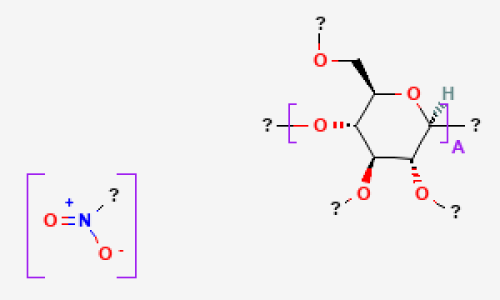
| CAS Number: | 9004-70-0 |
| UN Number: | 2556 |
| Hazard Class: | 4.1 |
| Packing Group: | II |

What is the CAS Number of Nitrocellulose?
The CAS number of Nitrocellulose is 9004-70-0.
What is the UN Number of Nitrocellulose?
The UN number of Nitrocellulose is 2556, shipped as Nitrocellulose with Alcohol.
What is the Hazard Class of Nitrocellulose?
Nitrocellulose is in Hazard Class 4.1.
What is the Packing Group of Nitrocellulose?
Nitrocellulose is in Packing Group II.
Physical properties of Nitrocellulose
Physical State:
No information available
Appearance:
No information available
Odor:
No information available
Odor Threshold:
No information available
pH:
No information available
Melting Point / Range:
No information available
Boiling Point / Range:
No information available
Molecular Formula:
No information available
Molecular Weight:
No information available

FAQs
Nitrocellulose is used most widely in industrial coatings and printing. In lacquers and wood finishes it delivers rapid drying, a hard and clear film, and good adhesion, which is why it remains a mainstay of furniture finishing and automotive refinish systems. In printing inks it is a standard binder for gravure and flexographic work on paper, board, and flexible packaging. It is also used in leather finishes, adhesives, and cosmetic lacquers. Higher-nitrogen grades supply the propellants sector. Grade selection is driven by nitrogen content, viscosity, and the solvent system in use.
Nitrocellulose is supplied and transported wetted with isopropyl alcohol, at a damper content of 27 to 33%, and must be kept wetted at a minimum of 25% for transport. The wetting agent is what keeps the material stable and safe to handle. As residual moisture falls, the risk of fire and explosion rises sharply, and the material becomes hazardous if damper content drops below 10%. Containers must be kept tightly closed, and the damper level must be checked and maintained throughout storage.
The price of Nitrocellulose depends on factors such as order volume, grade and nitrogen content, packaging format, destination market, and dangerous goods transport requirements. At East Harbour Group, we provide tailored quotes based on your exact requirements, ensuring competitive pricing while maintaining reliable supply and efficient logistics.
Contact our team to receive a personalised Nitrocellulose pricing quote.
Yes, we provide compliant Nitrocellulose shipping worldwide, subject to dangerous goods transport regulations for flammable solids and to the regulatory controls that apply to this material. Supply requires end-use documentation and the appropriate approvals in the destination market. With established logistics routes across Europe, Asia, and international markets, we help approved customers secure dependable supply.
Our UK and India offices strengthen supply chain resilience, reduce delays, and allow us to offer flexible global shipping solutions tailored to your operational requirements.
Nitrocellulose is classified as a desensitised explosive and flammable solid, and must be handled under strict workplace controls. Key hazards include:
Desensitised Explosive – H206
Fire, blast, or projection hazard, with increased risk of explosion if the desensitising agent is reduced.Ignition sensitivity
Can be ignited by flame, heat, friction, sparks, or static electricity. Keep away from all ignition sources and take precautions against static discharge.Serious Eye Irritation – H319
Causes serious eye irritation, associated with the isopropyl alcohol wetting agent.Drowsiness or Dizziness – H336
Vapour overexposure may cause drowsiness or dizziness.Chemical incompatibility
Decomposes in contact with strong acids and strong alkalis. Segregate accordingly in storage.Harmful to Aquatic Life – H412
Harmful to aquatic life with long lasting effects. Prevent release to drains and watercourses.Handling controls
Keep wetted with isopropyl alcohol and keep containers tightly closed. In case of fire, evacuate the area and fight the fire remotely due to the risk of explosion.
Store in accordance with national regulations, away from heat, hot surfaces, sparks, and open flames.
Speak to a Nitrocellulose expert