
Diphenylamine is an aromatic amine supplied in solid form, typically as flakes or granules, known for its stability and performance in controlled industrial applications. It is widely used as an intermediate in chemical synthesis, particularly in the production of antioxidants and stabilisers where consistency and purity are essential. At East Harbour Group, we supply high-quality Diphenylamine through a robust global network, helping manufacturers maintain supply continuity, reduce sourcing risk, and ensure dependable delivery across international markets.
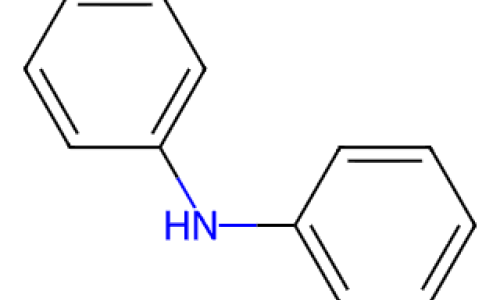
| CAS Number: | 122-39-4 |
| UN Number: | 2811 |
| Hazard Class: | 6.1 |
| Packing Group: | III |

What is the CAS Number of Diphenylamine?
The CAS number of Diphenylamine is 122-39-4.
What is the UN Number of Diphenylamine?
The UN number of Diphenylamine is 2811.
What is the Hazard Class of Diphenylamine?
Diphenylamine is in Hazard Class 6.1.
What is the Packing Group of Diphenylamine?
Diphenylamine is in Packing Group III.
Physical properties of Diphenylamine
Physical State:
No information available
Appearance:
No information available
Odor:
No information available
Odor Threshold:
No information available
pH:
No information available
Melting Point / Range:
No information available
Boiling Point / Range:
No information available
Molecular Formula:
No information available
Molecular Weight:
No information available

FAQs
Diphenylamine is primarily used as an intermediate in the manufacture of rubber antioxidants and stabilising compounds, playing a key role in extending the lifespan and performance of materials exposed to heat and oxidation.
It is also utilised in chemical synthesis processes where its aromatic structure supports the production of more complex compounds, particularly within industrial manufacturing environments requiring consistency and controlled reactivity.
The price of Diphenylamine depends on factors such as order volume, specification, and delivery location. At East Harbour Group, we provide tailored quotes based on your exact requirements, ensuring competitive pricing while maintaining a reliable and efficient supply chain.
Please get in touch with our team to get a bespoke Diphenylamine pricing quote.
Yes, we provide reliable Diphenylamine shipping worldwide. With established logistics across Europe, Asia, and international markets, we ensure consistent and secure delivery.
Our UK and India offices allow us to strengthen supply chain resilience, reduce delays, and deliver flexible global shipping solutions tailored to your operational needs.
Diphenylamine is classified under multiple hazard categories and must be handled with appropriate care. Key hazards include:
Acute Toxicity (Oral, Dermal, Inhalation) – Category 3
Toxic if swallowed, in contact with skin, or if inhaledSerious Eye Damage – Category 1
Causes serious eye damageSkin Sensitisation – Category 1
May cause an allergic skin reactionCarcinogenicity – Category 1B
May cause cancerReproductive Toxicity – Category 2
Suspected of damaging fertility or the unborn childSpecific Target Organ Toxicity (Single Exposure – Category 1 & 3)
Causes damage to organs including the central nervous system and blood system, and may cause respiratory irritationSpecific Target Organ Toxicity (Repeated Exposure – Category 2)
May cause damage to organs through prolonged or repeated exposure, particularly the blood system and kidneysAquatic Toxicity (Acute & Chronic – Category 1)
Very toxic to aquatic life with long lasting effects
Strict handling procedures, appropriate PPE, and controlled storage conditions are essential when working with this substance.
IF YOU WANT TO LEARN MORE ABOUT HOW EAST HARBOUR GROUP LTD CAN HELP YOUR BUSINESS, GET IN TOUCH.