
Cellulose Acetate is a versatile thermoplastic polymer derived from natural cellulose, supplied as a dry, free-flowing white powder for use across plastics processing, film and sheet production, and specialist manufacturing. Produced from cotton linter or wood pulp depending on grade, it combines a bio-based origin with the processing performance required for extrusion, injection moulding, and laminate applications. Its relatively high molecular weight and controlled combined acetyl content deliver consistent melt behaviour and finish quality, making it a dependable choice for eyewear frames, tool handles, films, and moulded components. At East Harbour Group, we supply high-quality Cellulose Acetate through a resilient international network designed to reduce sourcing risk, strengthen continuity, and support efficient global delivery.
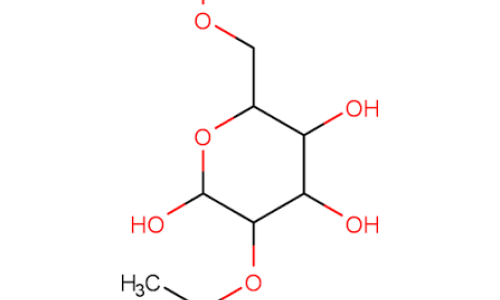
| CAS Number: | 9004-35-7 |
| UN Number: | - |
| Hazard Class: | - |
| Packing Group: | - |

What is the CAS Number of Cellulose Acetate?
The CAS number of Cellulose Acetate is 9004-35-7.
What is the UN Number of Cellulose Acetate?
Cellulose Acetate is not regulated as a dangerous good for transport, so no UN number is assigned.
What is the Hazard Class of Cellulose Acetate?
Cellulose Acetate is not assigned a transport hazard class.
What is the Packing Group of Cellulose Acetate?
Cellulose Acetate is not assigned a packing group.
Physical properties of Cellulose Acetate
Physical State:
No information available
Appearance:
No information available
Odor:
No information available
Odor Threshold:
No information available
pH:
No information available
Melting Point / Range:
No information available
Boiling Point / Range:
No information available
Molecular Formula:
No information available
Molecular Weight:
No information available

FAQs
Cellulose Acetate is used primarily in plastics processing, where its melt behaviour and surface finish suit extrusion, injection moulding, and laminate production. Typical end products include eyewear frames, tool and brush handles, sheet and film, and moulded components where clarity, toughness, and a high-quality finish matter. It is also used in coatings, membranes, and filtration media. Grades are produced from either cotton linter or wood pulp and supplied to different quality levels, allowing the specification to be matched to the processing route and the requirements of the finished part.
The price of Cellulose Acetate depends on factors such as order volume, grade specification, packaging format, and destination market. At East Harbour Group, we provide tailored quotes based on your exact requirements, ensuring competitive pricing while maintaining reliable supply and efficient logistics.
Contact our team to receive a personalised Cellulose Acetate pricing quote.
Yes, we supply Cellulose Acetate worldwide. As it is not classified as a dangerous good for transport, shipping is comparatively straightforward across road, sea, and air freight, which supports shorter lead times and simpler documentation.
Our UK and India offices strengthen supply chain resilience, reduce delays, and allow us to offer flexible global shipping solutions tailored to your operational requirements.
Cellulose Acetate is not classified as a dangerous good for transport, but it is a combustible powder and should be handled under appropriate workplace controls. Key hazards include:
Combustible dust
May form combustible dust concentrations in air. Classified as explosion class St 2, with a lower explosion limit of 35 g/m³.Burns from molten material
Eye or skin contact with molten product may cause severe burns.Thermal decomposition
May decompose at high temperature, with decomposition recorded from around 304 °C.Dust cloud ignition
Ignition temperature of a dust cloud is 420 °C and of a dust layer above 450 °C.Handling controls
Keep away from heat, sparks, open flames, and hot surfaces. Take precautionary measures against static discharge, and control dust accumulation during transfer and processing.
Store in a cool, dry, well-ventilated place away from direct sunlight. Temperatures between 5 and 30 °C are recommended.
Speak to an expert about Cellulose Acetate