
Dimeryl diisocyanate (DDI) is a versatile chemical widely used to make polyurethanes, a group of materials found in everything from coatings and adhesives to foams and elastomers. Known for its ability to form strong and durable materials, DDI is an essential ingredient for industries where performance and longevity are key.
But what exactly is dimeryl diisocyanate, and why is it so important in modern manufacturing?
What is dimeryl diisocyanate?
Dimeryl diisocyanate is a type of aliphatic diisocyanate, a class of chemicals characterised by the presence of two highly reactive –NCO groups. These groups can link with molecules containing alcohol (–OH) groups, called polyols, to form long chains of polyurethane.
Because it is aliphatic (based on straight or branched carbon chains rather than aromatic rings), DDI is less likely to yellow over time and produces polymers that are more resistant to sunlight and chemical exposure than those made with aromatic diisocyanates.
In simple terms, DDI is a “building block” that helps manufacturers create plastics, coatings, adhesives, and foams that are strong, flexible, and durable.
A brief history of dimeryl diisocyanate
Aliphatic diisocyanates like DDI were developed in the mid-20th century as alternatives to earlier aromatic types, which tended to discolour over time. DDI’s introduction allowed for clear, UV-resistant coatings and elastomers, expanding the range of applications for polyurethane materials.
Since then, DDI has become a trusted chemical in sectors where appearance, stability, and long-term performance matter, from automotive coatings to speciality industrial products.
How it works
The key to DDI’s function lies in its two –NCO groups. When these react with –OH groups in polyols, they form strong urethane links. Imagine this like connecting Lego blocks: each reaction links small molecules into a long, sturdy chain.
This chemical “linking” process is what gives polyurethane materials their strength, flexibility, and resistance to heat, chemicals, and sunlight. Because DDI reacts in a controlled way and doesn’t yellow easily, it’s ideal for applications where both performance and aesthetics are important.
Applications of dimeryl diisocyanate
Coatings and adhesives
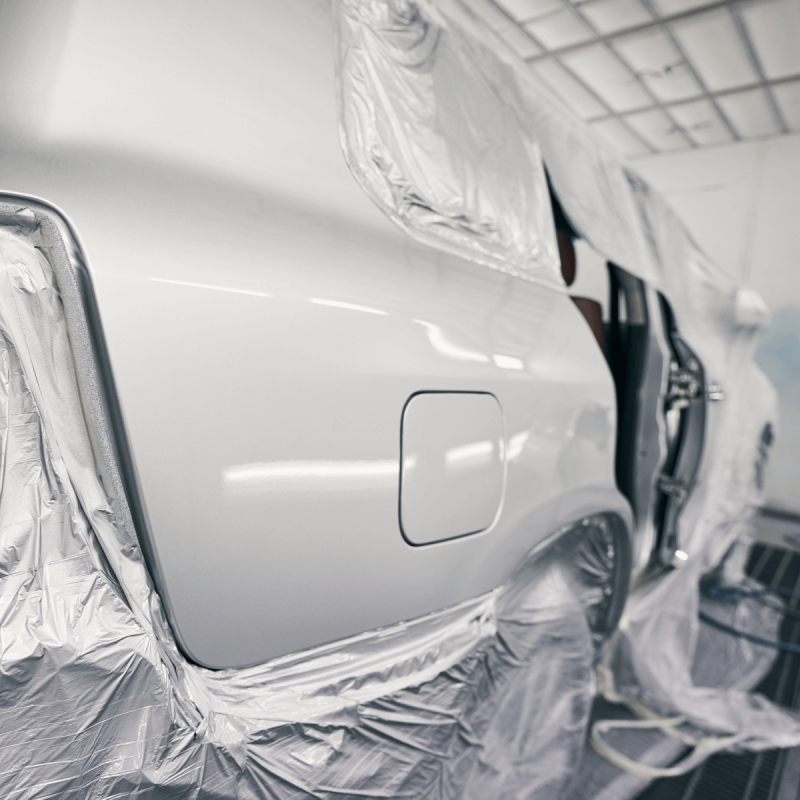
DDI is used in high-performance polyurethane coatings and adhesives. Its ability to resist UV light and chemical exposure makes it perfect for surfaces that need long-term durability, including automotive and industrial coatings.
Elastomers and foams
Polyurethane elastomers and foams made with DDI are used in products that require flexibility and toughness, such as industrial belts, gaskets, and specialised consumer goods. The material can be tailored to be softer or firmer depending on the application.
Specialty polymers
DDI is also used in the production of clear or coloured polymers for electronics, medical devices, and protective coatings. Its chemical stability ensures these materials maintain their properties over time.
Industrial significance
Dimeryl diisocyanate is valued for its combination of stability, versatility, and predictable behaviour. It allows manufacturers to create materials that are not only strong and long-lasting but also resistant to sunlight and chemical exposure.
Its use spans industries from automotive and electronics to construction and consumer goods, making it an important tool for engineers and manufacturers alike.
Safety and regulatory considerations
Like all diisocyanates, DDI can be harmful if inhaled or absorbed through the skin. Protective equipment, proper ventilation, and careful handling are essential.
Regulations exist globally to manage its safe use, including frameworks such as REACH in Europe, TSCA in the US, and Japan’s Chemical Substances Control Law. Compliance ensures worker safety and environmental protection while maintaining industrial productivity.
Continued relevance and applications
Dimeryl diisocyanate will continue to be important as polyurethane technologies evolve. Its unique combination of chemical stability, UV resistance, and versatility makes it a reliable choice for coatings, adhesives, foams, and specialty polymers.
By balancing performance requirements with safety and compliance, industries can continue to leverage DDI to produce materials that are both high-performing and long-lasting.
Are you looking to source dimeryl diisocyanate from a reliable chemical supplier? Get in touch with our dedicated team today.